

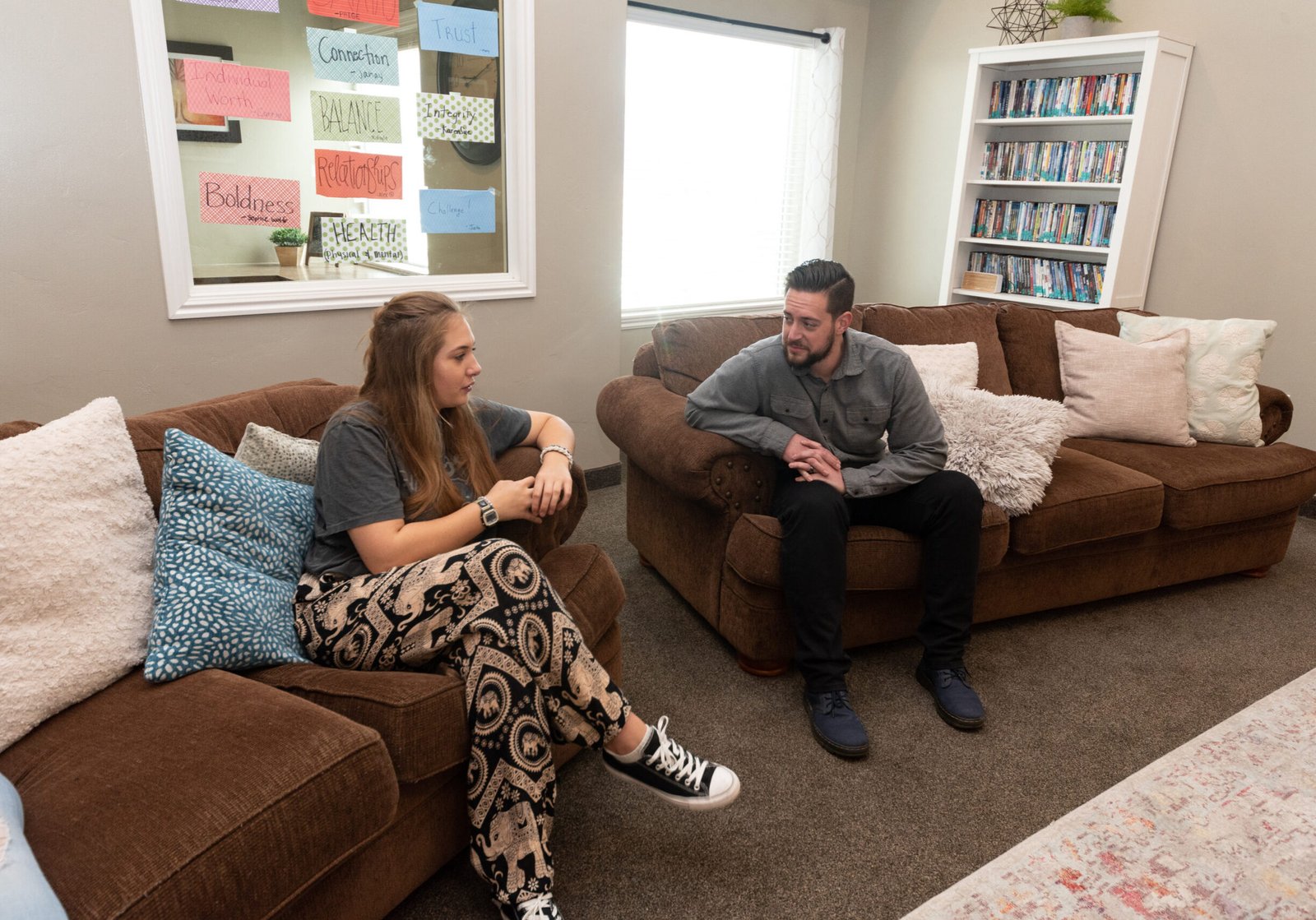
Teen years already feel heavy. School pressure grows. Social expectations feel loud. Emotions shift fast. When anxiety, depression or trauma enter the picture, everything can feel unmanageable. Many teens try therapy first. Some attend outpatient programs. For some families, that level of care does not bring enough relief.
This is where a residential treatment center can make an impactful difference. This kind of setting gives teens time, space and structure. It removes daily stressors that keep symptoms active. It also provides steady support that teens often need to feel safe again.
Why anxiety depression and trauma often overlap in teens
Teens rarely struggle with just one issue. Anxiety can lead to depression. Trauma can trigger both. A teen may feel constant worry then lose interest in school friends or hobbies. Sleep changes, appetite shifts and mood swings appear. These patterns confuse parents and teachers.
About 20% of US adolescents aged 12-17 reported symptoms of anxiety in the past two weeks, and 18% reported symptoms of depression, showing just how common these challenges are.
A residential treatment center looks at the full picture. Staff do not treat anxiety or trauma alone. They focus on how each experience connects. This approach matters because healing rarely happens in pieces.
A structured environment that reduces emotional overload
Daily life can overwhelm teens who struggle mentally. School demands social pressure and family conflict pile up fast. A residential treatment center removes many of those triggers. Days follow a clear routine. Teens know what comes next. That predictability lowers anxiety levels.
Structure does not mean strict control, instead it means balance. Teens attend therapy sessions, group activities, school support and downtime. This rhythm helps their nervous system calm down. When the mind feels safer, deeper healing can begin.
Individual therapy that meets teens where they are
Every teen carries a different story. One teen may fear social situations. Another may feel deep sadness without clear reasons. Another may carry trauma that still feels fresh. In a residential treatment center, each teen receives individual therapy designed for their needs.
Therapists use approaches that work well with adolescents. Sessions focus on emotional awareness, coping skills and trust. Teens do not feel rushed. They do not get pushed to share before they feel ready. Over time many teens open up in ways they never could before.
Trauma informed care that builds safety first
Trauma changes how the brain reacts to stress. Teens may stay alert all the time or shut down emotionally. A residential treatment center trained in trauma informed care understands these responses.
Staff members focus on safety first. They avoid judgment. They explain what will happen ahead of time so nothing feels sudden or confusing. They respect boundaries. This helps teens regain control over their body and emotions. Healing trauma takes time and patience. A consistent environment supports that process.
Group therapy that reduces isolation
Many teens believe they are alone in their struggles. Anxiety tells them that no one understands. Depression tells them they do not belong. Trauma tells them to stay silent. Group therapy challenges these beliefs gently.
In a residential treatment center, teens meet others who share similar feelings. They listen and they speak at their own pace. This shared space builds connection. Teens realize their thoughts do not make them broken. That realization often brings relief.
Emotional regulation skills for real life
Teens need more than insight. They need tools. A residential treatment center teaches practical skills teens can use anywhere. These include grounding techniques, emotion labeling, stress management and healthy communication.
Staff practice these skills with teens every day. Teens learn how to pause before reacting. They learn how to manage panic, sadness or anger without shutting down. These lessons stay with them long after being discharged.
Academic support that reduces pressure
School stress fuels anxiety and depression. Falling behind increases fear and shame. A residential treatment center often provides academic support, so teens do not feel lost.
Education plans match each teen’s ability and pace. This keeps learning manageable. Teens regain confidence. They see progress again. That sense of capability plays a quiet but powerful role in mental health recovery.
Family involvement that strengthens healing
Mental health struggles never affect just one person, it affects the whole family. A residential treatment center includes families in the process. Parents learn how anxiety, depression and trauma show up in teens. They learn how to respond with support instead of fear or frustration.
Family sessions improve communication. They rebuild trust. Teens feel heard. Parents feel guided. This teamwork increases long-term success.
A safe space to rebuild identity and confidence
Mental health challenges can slowly change how teens see themselves. Some teens begin to feel weak, broken or unlike everyone else. A residential treatment center helps them find themselves again beyond the challenges they face.
Creative activities, physical movement and peer connection play a role. Teens explore strengths again. They remember the interests they once enjoyed. Confidence grows slowly but steadily.
Preparing teens for life after treatment
Healing does not end at discharge. A residential treatment center plans for what comes next. Staff help teens prepare for school, home and social life. They create aftercare plans that include therapy support and coping strategies.
This preparation reduces relapse risk. Teens leave with tools and confidence. Families leave with guidance.
Why this level of care can change outcomes
Some teens need more than weekly sessions. They need time away from daily stress. They need consistent support. A residential treatment center offers that depth of care.
For anxiety, depression and trauma this setting allows real healing. Teens feel safe enough to grow. They learn how to manage emotions. They start to trust themselves again and feel safer trusting other people too.
Every teen deserves support that truly meets their needs. When outpatient care falls short, a residential treatment center can provide the space structure and compassion teens need to move forward.
Final Thoughts
Anxiety, depression and trauma can slowly take over a teen’s world when the right support does not show up in time. These struggles affect emotions, behavior, school life and relationships. When progress feels slow or symptoms keep coming back, a residential treatment center can provide the level of care many teens truly need.
This place gives teens a chance to step back from daily stress. It gives teens steady guidance, emotional safety and time to heal at their own pace. With structured days, support and family involvement, they begin learning how to manage their feelings and trust themselves again.
Recovery takes time. Some days feel lighter and others feel heavy. In the right environment with consistent care, teens can find their balance again and move forward in a healthier direction.
