

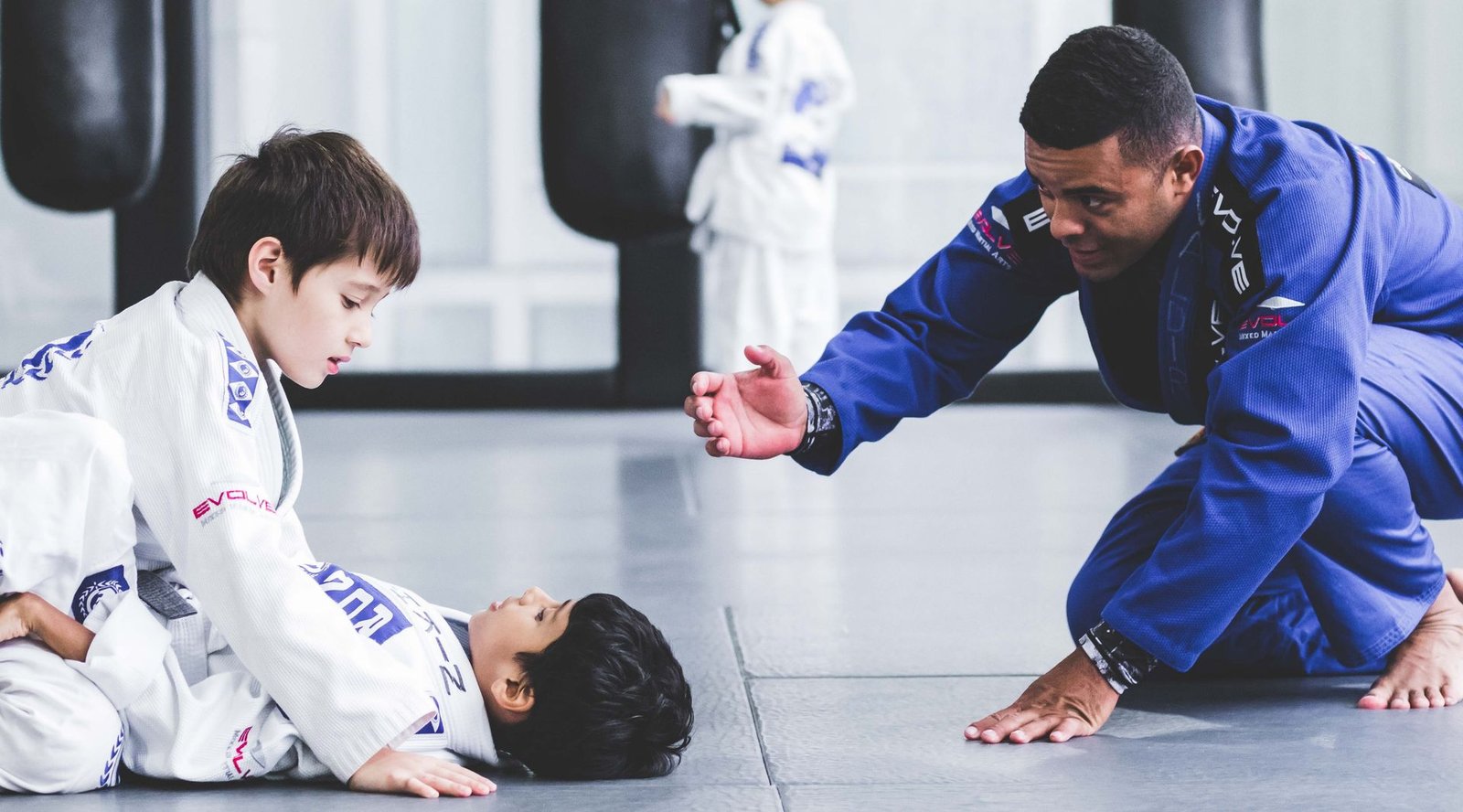
Imagine your child facing a playground bully or an unexpected stranger with calm confidence, not fear. In today’s world, where recent reports show bullying affects one in five students and violent incidents involving kids are on the rise, self-defense training equips them with tools for real safety and growth.
Why Now for Self-Defense Training
Parents are enrolling kids self-defense classes more than ever, with participation up over 20% in recent years amid heightened awareness of schoolyard threats and urban safety concerns. These programs go beyond punches and kicks, weaving in life skills like focus and respect that mirror the “core four” foundations—classroom readiness, self-assurance, discipline, and empathy for others—tailored for ages 5 through teens. This timely surge reflects a shift toward proactive parenting, especially as 2026 brings fresh emphasis on mental resilience post-pandemic.
Building Confidence That Lasts
Picture your shy kid standing tall after mastering a simple escape move—it transforms hesitation into empowerment. Self-defense fosters self-esteem by celebrating small wins, like perfecting a block, which spills over into better school performance and social interactions. Kids learn to trust their instincts, reducing their fear of buand the unknownknowns, and studies confirm that trained children are 60-80% less likely to face assaults thanks to sharpened awareness.
Age-Tailored Lessons for Real Growth
For little ones aged 5-7, sessions emphasize fun fundamentals: respecting personal space, listening intently, and basic stances that build coordination without overwhelm. Older kids, 7-12, dive into scenario drills—like escaping grabs—while teens tackle advanced goal setting and discipline, turning training into a character-building adventure. This progression keeps them hooked, blending play with purpose to boost perseverance and quick thinking.
Everyday Benefits Beyond the Mat
These classes sharpen physical fitness too—think improved reflexes, strength, and balance that make gym class a breeze. Mentally, they teach de-escalation first: walk away, seek help, then defend if needed, promoting ethical choices over aggression. Families notice kids with better focus at home, fewer tantrums, and even stronger sibling bonds, as respect becomes second nature.
Getting Started Without Overwhelm
Start by observing a trial session to see the energy firsthand—look for instructors who prioritize fun, safety, and holistic development over rote drills. Encourage your child to practice breathing for calm or shouting “stop” at home, turning lessons into daily habits. Whether tying into thrifting adventures for active family outings or community events, this investment yields a safer, bolder kid ready for life’s curveballs. With consistent practice, they’ll carry these skills forever, giving you peace of mind in an unpredictable world.
