

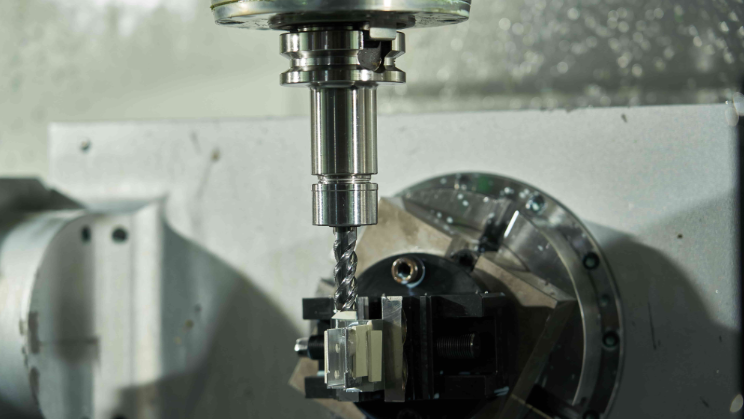
Learning CNC machining takes time, patience, and attention to detail. While modern CNC machines are highly advanced, even small setup mistakes can create major problems during production. Beginners often focus heavily on running the machine itself but underestimate how important proper setup procedures are to achieving accurate and consistent results.
In machining, setup quality directly affects everything that happens afterward. Poor setups can lead to dimensional inaccuracies, damaged tooling, wasted material, and excessive downtime. Many of the mistakes new machinists make are not caused by lack of effort, but by overlooking small details that experienced operators know matter significantly.
The good news is that most setup issues are preventable. Developing strong habits early helps new machinists improve consistency, reduce errors, and build confidence while operating CNC equipment. Even small improvements in setup routines can make a major difference in machining quality and efficiency over time.
Modern machining environments demand high precision and repeatability, especially in industries where tolerances are extremely tight. As a result, operators who understand proper setup fundamentals often progress much faster and avoid many of the frustrations beginners commonly face.
Accurate measurements, secure workholding, and organized preparation all play major roles in reducing setup problems before machining even begins.
How Poor Tool Setup Leads to Accuracy Problems
One of the most common mistakes beginners make is rushing through setup procedures. Inexperienced machinists sometimes assume that once the material is loaded and the machine is running, the setup is complete. However, even small alignment issues can create large accuracy problems during machining operations.
Improper measuring is one of the biggest causes of setup errors. New machinists may fail to double-check dimensions, offsets, or material positioning before beginning a job. Reliable measuring tools such as calipers help operators verify dimensions accurately and reduce the chances of incorrect setups.
Another common issue is poor workholding alignment. If material is not clamped securely or positioned correctly, movement can occur during cutting operations. Even slight shifting can negatively affect tolerances, surface finishes, and repeatability across multiple parts.
Tool length offsets are another area where beginners often struggle. Incorrect tool offsets can cause improper cutting depths, collisions, or dimensional inconsistencies. Taking time to carefully verify tool lengths before running a program helps prevent many avoidable machining errors.
Workpiece cleanliness also matters more than many beginners realize. Chips, dirt, oil, or debris trapped between material and workholding surfaces can slightly misalign parts during setup. These small inconsistencies may seem insignificant initially but can quickly create measurable accuracy problems during precision machining.
Another mistake involves overlooking spindle warm-up procedures. Machines often require time to stabilize thermally before maintaining maximum precision. Running tight-tolerance parts immediately after startup can sometimes produce inconsistent results due to temperature fluctuations within the machine.
Poor program verification is another major issue. Beginners may trust code without carefully reviewing tool paths, work offsets, or clearance movements beforehand. Running dry simulations and verifying setups before cutting material helps reduce costly mistakes and machine crashes.
Setup consistency becomes especially important during repetitive production work. Minor variations between setups can gradually create inconsistencies across entire production runs. Developing organized routines helps operators maintain more reliable results over time.
Traceability and organization also matter in modern machining environments. Many shops now use systems such as a laser marking machine to improve part identification, tracking, and production consistency throughout manufacturing operations.
Ultimately, machining accuracy depends heavily on preparation. Even the most advanced CNC equipment cannot compensate for poor setup fundamentals. Precision machining begins with careful setup long before cutting tools touch material.
Simple CNC Setup Habits That Help Prevent Mistakes
One of the best ways beginners can improve is by developing consistent setup habits early in their machining experience. Good habits help reduce avoidable errors while improving confidence, efficiency, and overall machining quality.
One important habit is slowing down during setup procedures. Rushing often leads to overlooked measurements, incorrect offsets, or incomplete inspections. Taking a few extra minutes to verify setups can prevent hours of troubleshooting later.
Double-checking measurements should become routine. Verifying dimensions, tool lengths, and material positioning before running a program helps catch problems early. Consistent measuring habits significantly reduce setup-related errors.
Maintaining clean work surfaces is another simple but important habit. Chips and debris can affect workholding alignment and part positioning. Keeping vises, fixtures, and machine surfaces clean improves setup consistency and overall machining accuracy.
Proper workholding setup is equally important. Using reliable equipment such as a self centering vise helps improve alignment accuracy while reducing setup variation between parts. Stable workholding also minimizes vibration and improves machining consistency.
Organization plays a major role in reducing mistakes as well. Keeping tools, setup sheets, and measurement equipment organized helps operators work more efficiently and reduces the likelihood of grabbing incorrect tooling or offsets during setups.
Dry runs and simulation checks are another valuable habit. Running programs above the material before actual cutting allows operators to confirm clearances, tool paths, and machine movements safely. Many costly crashes can be avoided through careful verification.
Communication is also important in shared machining environments. Asking experienced machinists questions and reviewing setup procedures with supervisors helps beginners learn faster while avoiding common errors.
Another strong habit is documenting setups. Recording successful offsets, tooling arrangements, and fixture positions helps create repeatable setups for future jobs. This improves consistency and reduces setup time on repeat projects.
Preventative maintenance should also become part of regular machining routines. Machines that are properly maintained generally produce more consistent results and experience fewer unexpected issues during production.
Most importantly, beginners should understand that setup quality directly influences machining success. Strong setup habits build the foundation for long-term improvement and help operators develop the consistency required in professional machining environments.
Conclusion
CNC setup mistakes are extremely common for beginners, but most of them can be prevented through better habits, organization, and attention to detail. Small setup errors often lead to larger problems involving accuracy, tooling, and production consistency if overlooked.
Proper measuring, clean workholding surfaces, accurate offsets, and careful verification all play major roles in successful machining operations. Developing strong setup routines early helps machinists improve efficiency while reducing avoidable downtime and material waste.
Reliable measuring tools, stable workholding systems, and organized preparation create more consistent machining environments that support better long-term results. As machining tolerances continue becoming tighter across industries, setup quality remains one of the most important factors in achieving precision and repeatability.
Beginners who focus on building strong setup habits early will often improve faster, avoid common frustrations, and develop the confidence needed for long-term success in CNC machining.
